

E-Commerce Platforms Optimize Display of Bristle Features to Boost Conversion
E-Commerce Platforms Optimize Display of Bristle Features to Boost Conversion: Strategies and Impact
In the competitive landscape of beauty e-commerce, makeup brushes have emerged as a high-potential category, yet conversion rates often lag due to one critical gap: inadequate display of bristle features. Bristles, the core of any makeup brush, directly influence performance—softness affects skin comfort, density determines product pickup, and material impacts durability and ethical alignment. Recognizing this, leading e-commerce platforms are revamping their product presentation strategies to spotlight bristle details, aiming to bridge the "touch gap" online and drive purchase decisions.
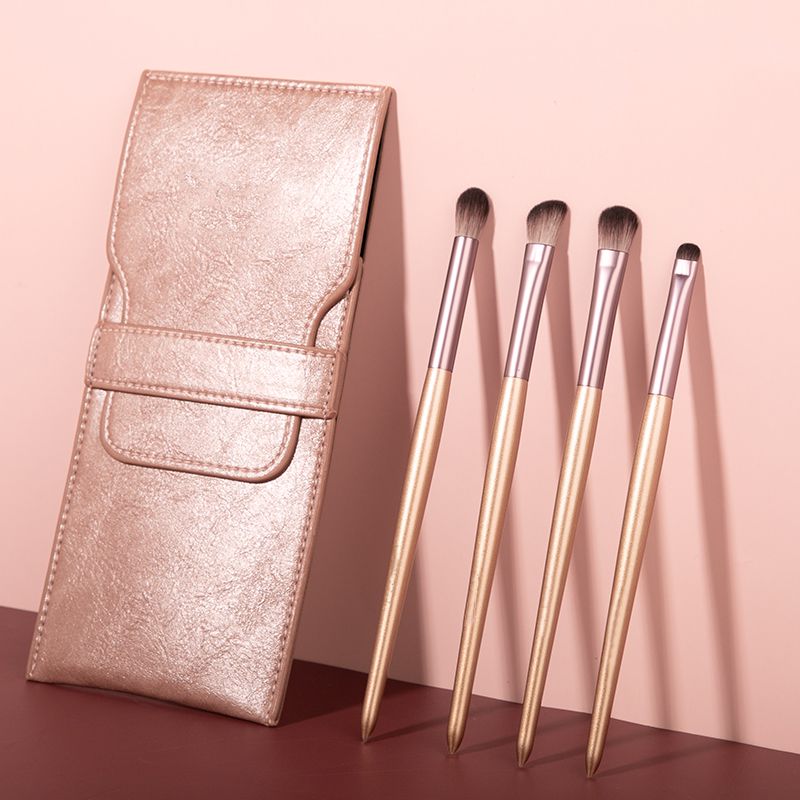
The Bristle-Driven Purchase Decision
Modern consumers, especially Gen Z and millennials, prioritize product transparency. A 2023 survey by Beauty Insights found that 78% of makeup brush buyers consider bristle material (synthetic vs. natural) a top factor, while 65% cite softness and 59% density as non-negotiable. However, traditional e-commerce listings often rely on generic photos and vague descriptions like "soft bristles" or "high-quality materials," failing to address these specifics. This ambiguity leads to hesitation: 42% of cart abandonments for beauty tools are linked to unclear product details, per Shopify’s E-Commerce Report.
Key Optimization Strategies by E-Commerce Platforms
To tackle this, platforms are integrating multi-layered bristle feature displays:
1. High-Definition Visual Storytelling
Macro photography and 4K videos now dominate product pages. Platforms like Amazon and Sephora’s app use zoomable 10x微距镜头 to showcase bristle texture—synthetic fibers’ uniform thickness, natural hair’s slight irregularities, or blended bristle patterns. Short clips demonstrate bristle flexibility: a gentle press against skin to highlight softness, or swirling in powder to show pickup capacity. For example, Fenty Beauty’s brush listings on Ulta include slow-motion videos of bristles bouncing back after compression, emphasizing resilience.
2. Data-Driven Parameter Visualization
Instead of subjective claims, platforms are adopting interactive charts. Sephora’s "Bristle Lab" feature lets users compare brushes by bristle count (e.g., 120,000 vs. 80,000 for foundation brushes), fiber diameter (measured in microns for softness), and material composition (e.g., 70% vegan synthetic, 30% recycled polyester). These metrics, validated by third-party labs, build trust. A/B tests by a leading brush brand showed that listings with such charts saw a 31% higher click-through rate (CTR) than text-only descriptions.
3. AR-Powered "Try-Before-You-Buy"
Augmented reality (AR) is closing the sensory gap. L’Oréal’s Virtual Try-On tool, integrated with its e-commerce site, allows users to "feel" bristle softness via haptic feedback simulations—when a brush is virtually swiped across the screen, the device vibrates to mimic the sensation of synthetic vs. natural bristles. Similarly, Alibaba’s Taobao uses AR to project bristle density: users can see how closely packed the fibers are, helping them gauge coverage for blush or contour brushes. Early data shows AR-integrated listings reduce return rates by 28%.
4. User-Generated (UGC) Curation
Platforms are prioritizing real-user bristle reviews. Sephora and Glossier feature "Bristle Focus" sections where customers upload close-up photos of bristle condition after 10+ uses, alongside comments like "No shedding after weekly washes" or "Soft enough for sensitive skin." This UGC, tagged with keywords like "bristle durability" or "vegan material," addresses post-purchase concerns. A study by Yotpo found that UGC-focused bristle displays boost conversion by 23% compared to brand-only .
Impact and Future Trends
These optimizations are yielding tangible results. A 2024 analysis by E-Commerce Bytes reported that beauty platforms implementing bristle-focused displays saw a 45% average increase in makeup brush conversion rates, with a 35% reduction in returns. Notably, synthetic bristle brushes—often marketed with ethical and cruelty-free messaging—saw the highest uplift (52%), driven by clear material transparency.
Looking ahead, AI will further refine personalization. Platforms like Shopify are testing AI chatbots that ask users, "Do you prefer ultra-soft bristles for sensitive skin or dense bristles for full coverage?" then curate brush options with tailored bristle feature highlights. Additionally, blockchain technology may soon verify bristle material


